The Monsoon Is Ending, But Is Your Pet Still at Risk? 5 Health Problems That Can Linger
The rains may be slowing down, but your pet’s health risks don’t always disappear with the clouds.
After weeks of humidity, damp surroundings, puddles and increased exposure outdoors, some pets continue to show symptoms even as the weather starts changing. A little extra scratching, lower energy or an upset stomach may seem harmless—but persistent changes deserve attention.
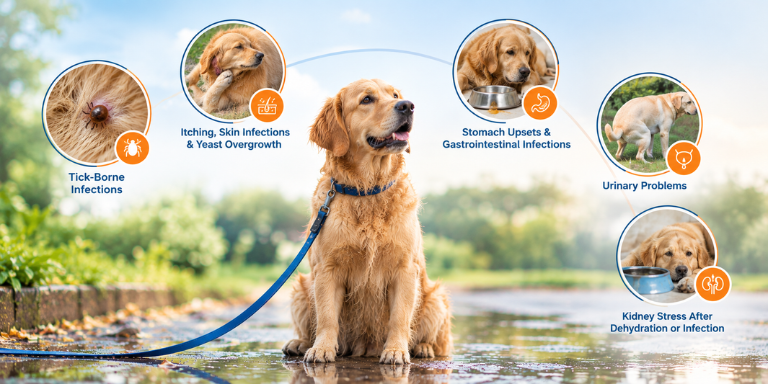
Here are five health problems pet parents should continue watching for as the monsoon season winds down.
1. Tick-Borne Infections
Ticks don’t disappear just because the rain does.
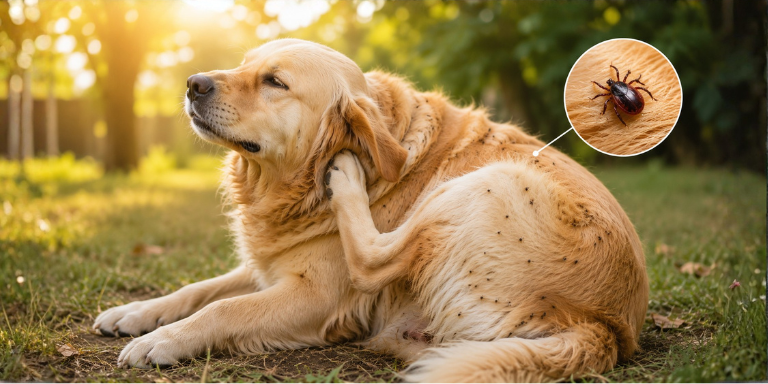
Dogs that spend time in parks, gardens or other outdoor areas can continue to be exposed to tick-borne infections such as Ehrlichiosis, Babesiosis and Anaplasmosis.
Watch for:
● Unusual tiredness
● Fever
● Reduced appetite
● Pale gums
● Weight loss
● Unexplained bleeding or bruising
A pet may not always have an obvious visible tick. If these signs persist, a veterinarian may recommend blood testing such as a CBC, tick fever testing or blood smear to investigate further.
2. Itching, Skin Infections & Yeast Overgrowth
Is your dog still scratching even though the rains are almost over?
Moisture trapped around the skin, paws and ears can create conditions that favour skin problems. Persistent itching, redness, odour, hair loss or recurrent ear irritation shouldn’t simply be blamed on “monsoon weather.”
If the problem keeps returning, your veterinarian may need to determine whether parasites, bacteria, fungi or allergies are involved. Skin examination and appropriate diagnostic testing can help identify the underlying cause.
3. Stomach Upsets & Gastrointestinal Infections
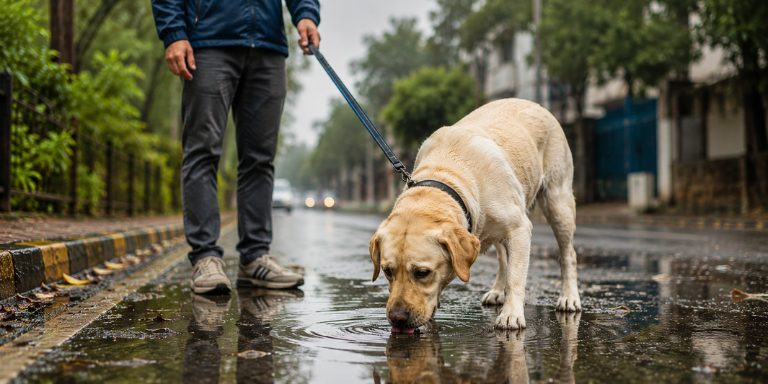
Monsoon puddles, contaminated water, spoiled food and changes in routine can all contribute to digestive problems.
If your pet develops occasional vomiting or loose stools once, it may settle quickly. But repeated vomiting, persistent diarrhoea, poor appetite or lethargy needs veterinary attention.
Depending on the symptoms, your veterinarian may recommend blood work or faecal testing to look for infection, inflammation or other underlying problems.
4. Urinary Problems
Changes in weather and routine can also affect drinking and urination habits.
Don’t ignore:
● Frequent urination
● Straining to urinate
● Blood in urine
● Strong-smelling urine
● Drinking noticeably more or less water
A urine analysis can provide useful information about hydration, urinary abnormalities and possible infection. Further blood testing may be advised when kidney involvement is suspected.
5. Kidney Stress After Dehydration or Infection
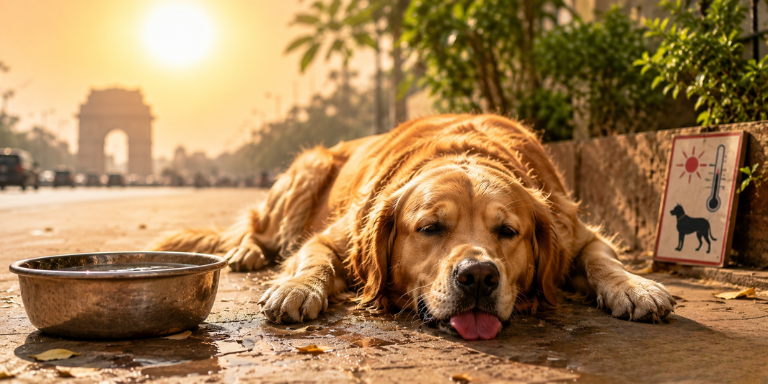
Summer heat followed by humid monsoon weather can put additional stress on pets that have experienced dehydration, infection or poor appetite.
The important point is that kidney problems may not always produce obvious symptoms in the early stages.
If your pet has persistent vomiting, reduced appetite, unusual thirst, changes in urination or unexplained lethargy, your veterinarian may recommend kidney-function testing. Depending on the case, this can include creatinine, BUN, SDMA, electrolytes and urine analysis.
How Do You Know If Your Pet Needs a Check-Up?
A simple rule is: don’t focus only on one symptom—look for changes that persist or occur together.
For example, a dog that is:
less active + eating less + drinking more
deserves more attention than a dog that is simply sleeping a little longer after a rainy day.
Your veterinarian can decide whether testing is necessary based on the examination and clinical history. VETLAB’s veterinary diagnostic services can support this evaluation with blood, urine, infectious-disease and other diagnostic testing when indicated.